How-To5 min read
Can You Refinish a Fiberglass Tub? What Minnesota Homeowners Need to Know
Fiberglass tubs are common in Minnesota homes — and yes, they can absolutely be refinished. Here's what the process looks like and what to expect.
TubRevive
Refinishing specialists
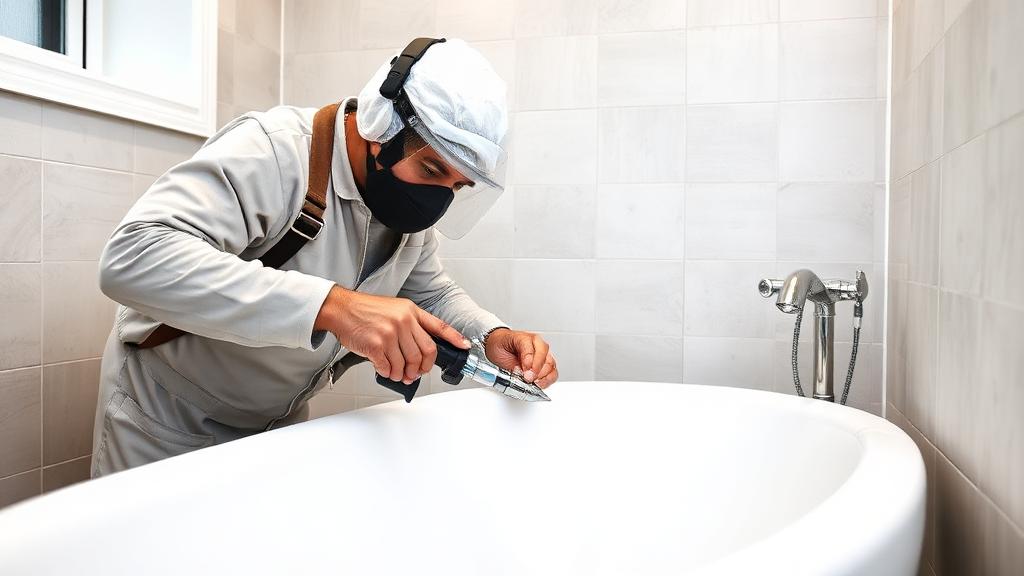
Fiberglass bathtubs are everywhere in Minnesota homes built between the 1970s and 2000s. They're lightweight, inexpensive, and easy to install — but they're also prone to fading, yellowing, cracking, and surface crazing over time. If your fiberglass tub is looking tired, the good news is that it can absolutely be refinished. The process is similar to refinishing porcelain or acrylic, with a few important differences.
How fiberglass refinishing works: The surface is thoroughly cleaned and degreased, then any cracks or chips are filled and sanded smooth. A bonding agent is applied to help the new coating adhere to the slick fiberglass surface, followed by a professional-grade topcoat sprayed on in thin, even layers. The result is a hard, glossy surface that looks brand new and resists soap scum and mildew.
What about cracks in fiberglass? Surface crazing — the network of tiny hairline cracks that develops on older fiberglass — is something refinishing can address well. Deeper structural cracks (ones that flex or go all the way through) require repair before coating. TubRevive inspects each tub before starting and will let you know if any prep work is needed.
How long does fiberglass refinishing last? With proper care, a professionally refinished fiberglass tub lasts 10–15 years. The key is avoiding abrasive cleaners (no Comet or Magic Eraser), using a bath mat with suction cups rather than adhesive strips, and doing a light wipe-down after each use to prevent mineral buildup.
Is refinishing worth it for a fiberglass tub? Replacing a fiberglass tub means removing the surround and surrounding tile — an expensive and disruptive project that can cost $1,500–$4,000 or more. Refinishing typically runs $350–$600 and takes a single morning. For most homeowners in the Twin Cities and surrounding suburbs, refinishing is the clear winner. Contact TubRevive for a free estimate and we'll assess your tub's condition on the spot.